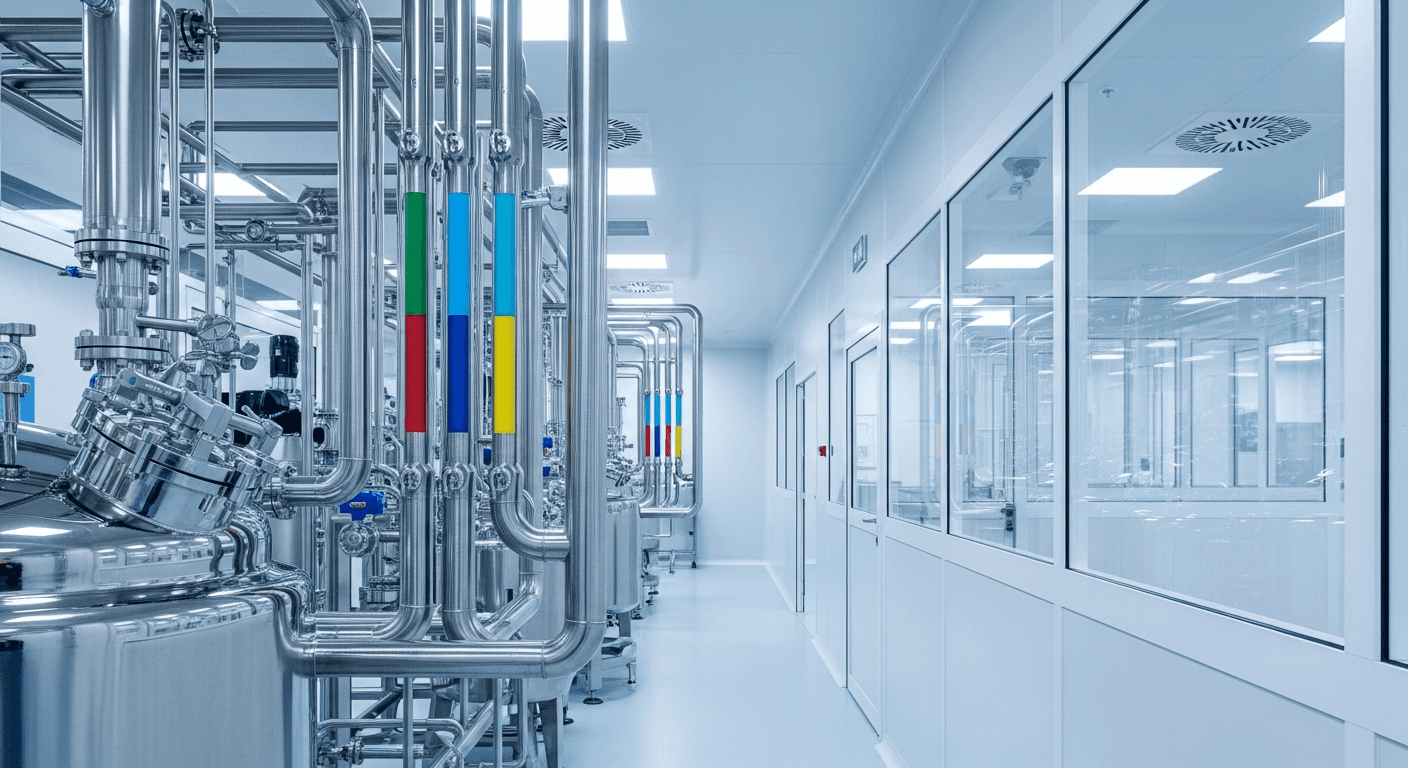
The Australian food sector is on the cusp of a manufacturing revolution. The rise of hybrid foods—which blend traditional animal proteins or plant bases with precision-fermentation ingredients (such as animal-free dairy whey or heme proteins)—presents a massive growth opportunity.
However, manufacturing these advanced products within existing Australian food processing plants requires a step-change in facility segregation and dual-compliance plans.
To meet Food Standards Australia New Zealand (FSANZ) requirements and maintain consumer trust, manufacturers must guarantee absolute segregation between traditional, plant-based, and fermentation-derived ingredients.
The Segregation Challenge on the Factory Floor
Unlike standard allergen control, which focuses on cleaning protocols between production runs, segregation for hybrid and bio-synthetic foods requires stricter physical and scheduling barriers:
- Microbial Contamination Risk: Precision fermentation utilizes active yeast, fungi, or bacterial strains. If these leak into traditional food manufacturing zones, they can spoil conventional products.
- Consumer Trust & Labelling: Vegan consumers must be guaranteed that plant-based lines have zero exposure to animal proteins, while traditional meat or dairy products must not contain trace fermentation organisms.
- Strict Regulatory Approvals: FSANZ requires clear evidence of cross-contamination prevention before granting approval for novel food ingredients.
Implementing Digital Guardrails for Facility Segregation
Relying on manual schedules to segregate production lines is a recipe for compliance failure. To manage a multi-ingredient, multi-process facility safely, manufacturers are deploying digital guardrails:
- Line Lockouts and Scheduling Constraints: Your scheduling calendar should automatically prevent back-to-back runs of fermentation-derived products and traditional products on the same line without a validated, deep-clean lockout period.
- Ingredient Room Access Control: Digitised raw material tracing ensures that fermentation-derived powders are only scanned and weighed in designated clean zones, preventing operators from bringing them into general ingredient storage.
- Automated Batch Record Audits: The system generates a complete digital audit trail showing the exact time, operator, and equipment used for every batch, simplifying FSANZ compliance reviews.
Preparing for the Future of Australian Food Tech
Hybrid foods and precision fermentation are key to securing Australia's position as a premium exporter of sustainable protein. By upgrading your plant’s batch sheets and compliance workflows to support facility segregation now, you position your business to partner with the country's most innovative food-tech start-ups.