The Functional Food Boom: Adapting Production for Niche Diets in 2026
The snacking industry is undergoing a fundamental transformation as modern consumers increasingly view their food choices as strategic investments in their long-term health, energy, and performance. In 2026, the demand for hyper-functional benefits—such as stress reduction, cognitive support, and gut health—has catalyzed a massive formulation boom. With the(https://www.imarcgroup.com/australia-functional-food-market), keeping up with these highly specific niche diets requires food and beverage operations to have an unprecedented level of production agility, meticulous cost tracking, and rigorous safety controls.
The Rise of Functional Formulations and GLP-1 Companion Foods
One of the most profound market shifts driving product development is the rise of GLP-1 companion products. With the explosion of anti-obesity medications, patients inherently consume less volume and therefore require nutrient-dense, highly functional foods to prevent muscle loss and soothe gastrointestinal side effects. Consequently, Innova Market Insights identified "Powerhouse Protein" as a top industry trend for 2026, with nearly 60% of global consumers actively seeking higher protein content in their daily diets. The challenge for Australian brands is optimizing how they incorporate these higher protein levels without compromising the product's taste, texture, or mouthfeel.
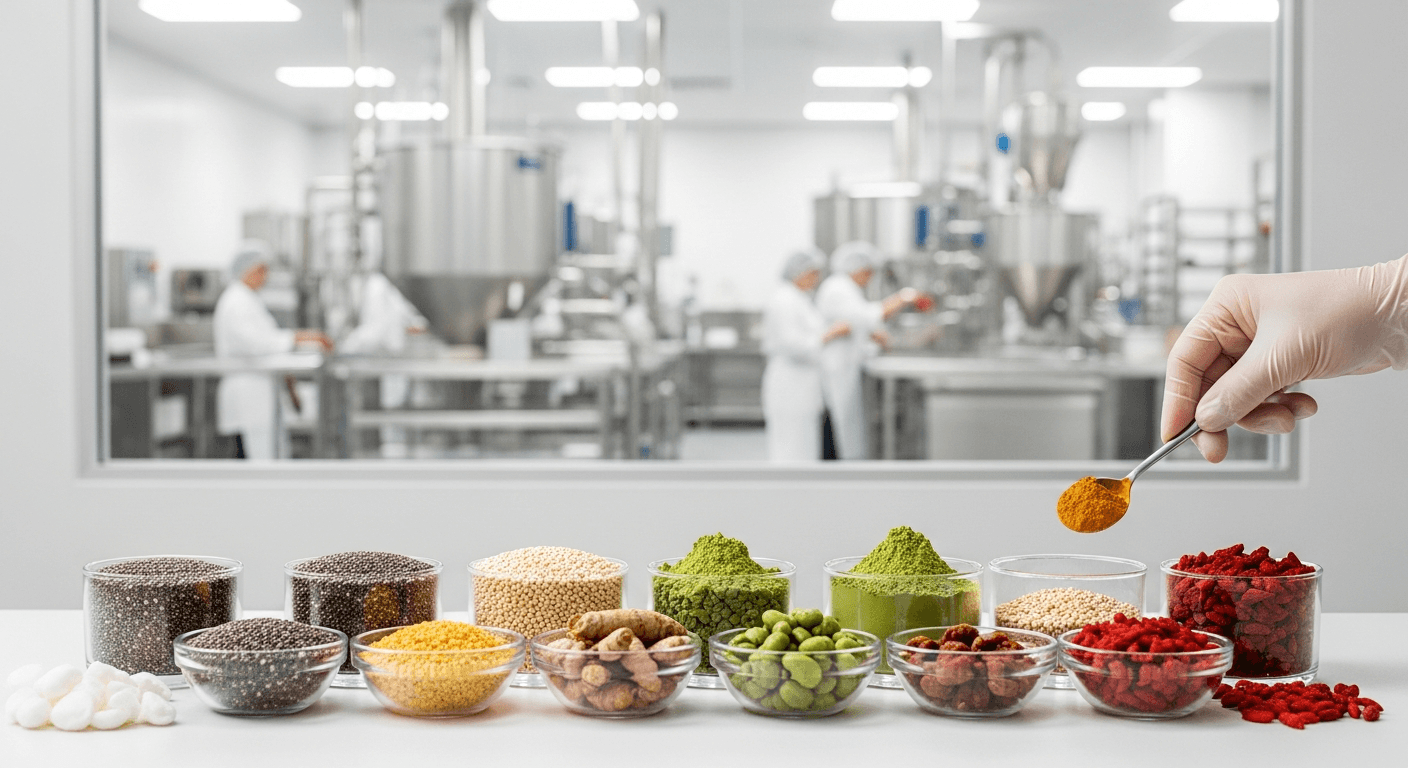
Additionally, ingredients like adaptogens (for cortisol balance), nootropics, and heat-stable postbiotics are experiencing explosive, triple-digit growth. Formulating with these raw materials introduces severe physical challenges on the factory floor. Unlike traditional live probiotics, postbiotics are heat-stable, allowing them to survive the harsh thermal processing of modern manufacturing. However, many adaptogenic botanicals introduce earthy flavor notes and intense herbal bitterness that must be meticulously masked during product development.
The Shift to Shorter, Agile Production Runs
The pivot toward these specialized, highly functional diets means the days of massive, homogenous legacy production runs are ending. To stay competitive, food manufacturers must adapt to shorter, highly specialized batches. This fragmentation inherently decreases baseline efficiency by vastly increasing the frequency of line changeovers. Because functional ingredients like saffron or concentrated colostrum are incredibly expensive, minimizing waste through strict food and beverage cost control is essential to protecting your operational margins. Every time a facility switches from a standard product to a complex functional formulation, they risk expensive scrapped batches if relying on manual recipe calculations.
The Hidden Threat: Allergen Cross-Contact and the PEAL Deadline
Perhaps the most severe operational consequence of this functional food boom is the exponential increase in cross-contact risk. As product portfolios diversify with novel plant-based proteins—often derived from highly allergenic soy, nuts, or peas—the density of allergens within a single facility skyrockets.
A defensible allergen control program is absolutely non-negotiable under modern(https://www.batchbase.com.au/glossary/fsanz). Undeclared allergens remain a leading driver of food recalls in Australia. These incidents are rarely due to gross negligence; they are typically failures of system design, such as trace proteins hiding in a conveyor belt tensioner bolt that was accidentally omitted from a paper-based cleaning checklist.
Furthermore, as of February 26, 2026, the transition period for the Plain English Allergen Labelling (PEAL) regulations officially concluded. Every packaged food product available for sale in Australia must now fully comply with PEAL requirements. Relying on outdated manual tracking is a direct threat to compliance.
Mastering Complex Production with Modern Software
To safely navigate shorter runs and highly complex formulations, facilities must abandon static spreadsheets and disjointed physical folders. This is exactly where specialized food manufacturing software becomes your most vital asset.
A centralized platform like(https://batchbase.com.au/) ensures that strict, granular recipes are instantly accessible to production teams, while utilizing role-based access to prevent unauthorized formulation deviations that could ruin an expensive batch. Batchbase functions as a comprehensive Product & Ingredient Hub, unifying all your raw materials, supplier specifications, and production details into one searchable digital database.
When you introduce a new functional additive, the system's smart AI pulls verified data directly from the(https://batchbase.com.au/ingredients). Batchbase automatically detects any new allergens within the recipe and instantly generates updated Nutrition Information Panels (NIP) to guarantee flawless regulatory compliance. By digitizing your workflow and maintaining a fully automated audit trail, your production floor can seamlessly transition from clunky legacy runs to the profitable, agile future of the functional food boom.